


Related Tags
High network traffic on Ethereum often leads to severe congestion and soaring gas fees. When simple transfers cost dozens of dollars, and complex smart contract interactions reach hundreds, trading smaller position sizes becomes inefficient. Layer 2 scaling protocols solve this friction by processing transactions off the main chain while retaining underlying security.
Arbitrum has emerged as one of the most widely used Layer 2 networks, processing high transaction volumes at a fraction of standard network costs. Whether you aim to trade decentralized perpetual contracts or allocate to scaling ecosystem tokens, understanding how Arbitrum functions is essential for managing execution costs and protocol risks.
In simple terms, a Layer 2 network is a separate system built on top of Ethereum that processes transactions faster and more cheaply, then reports the results back to Ethereum for security.
What Is Arbitrum and How Does It Scale Ethereum?
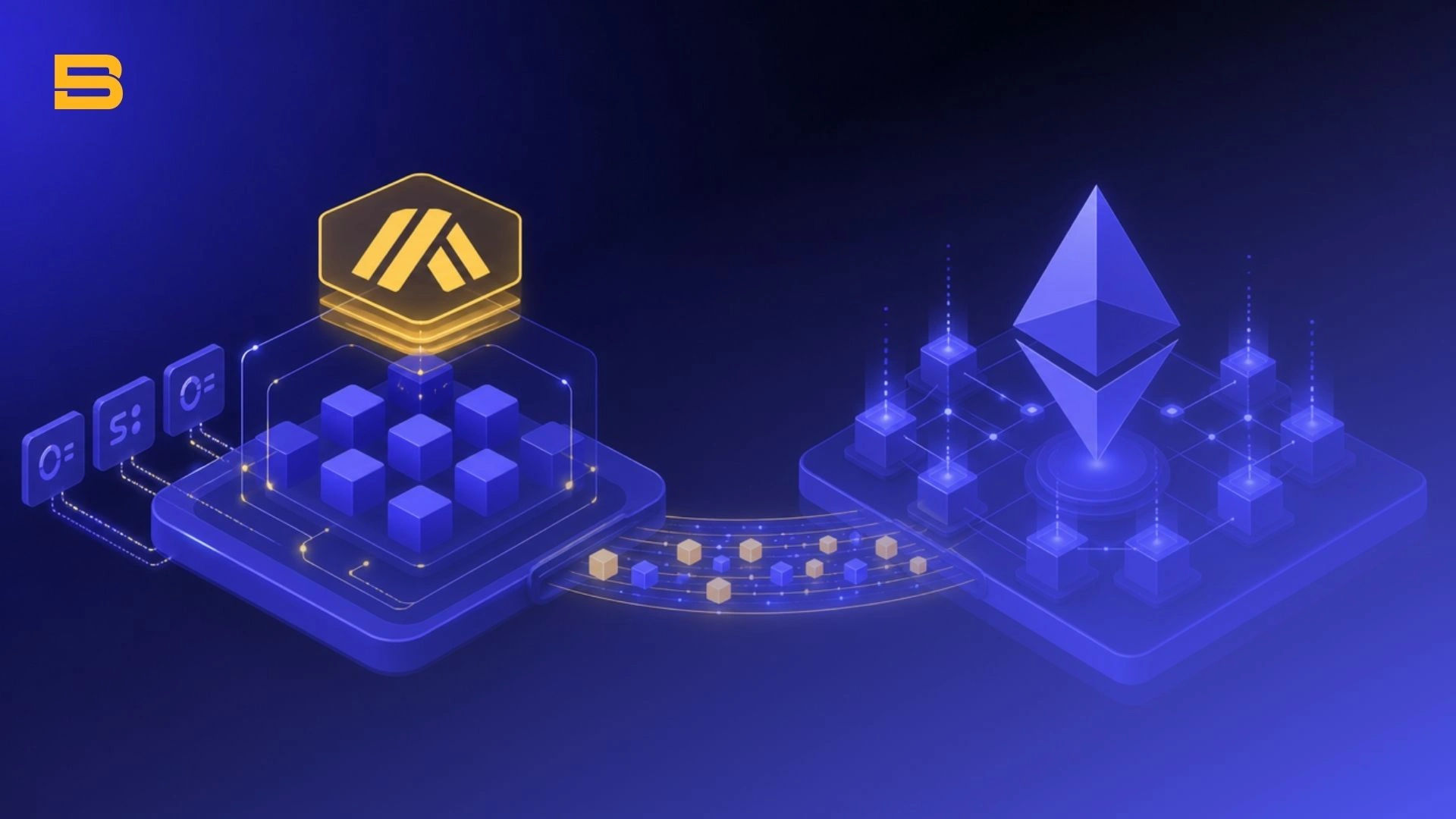
Arbitrum is a Layer 2 scaling protocol designed to expand Ethereum network capacity. Operating as an off-chain execution layer, it runs transactions outside the main network and batches the processed data before returning it to Ethereum.
This approach maintains security through the base network while delivering faster transaction speeds and significantly lower execution fees.
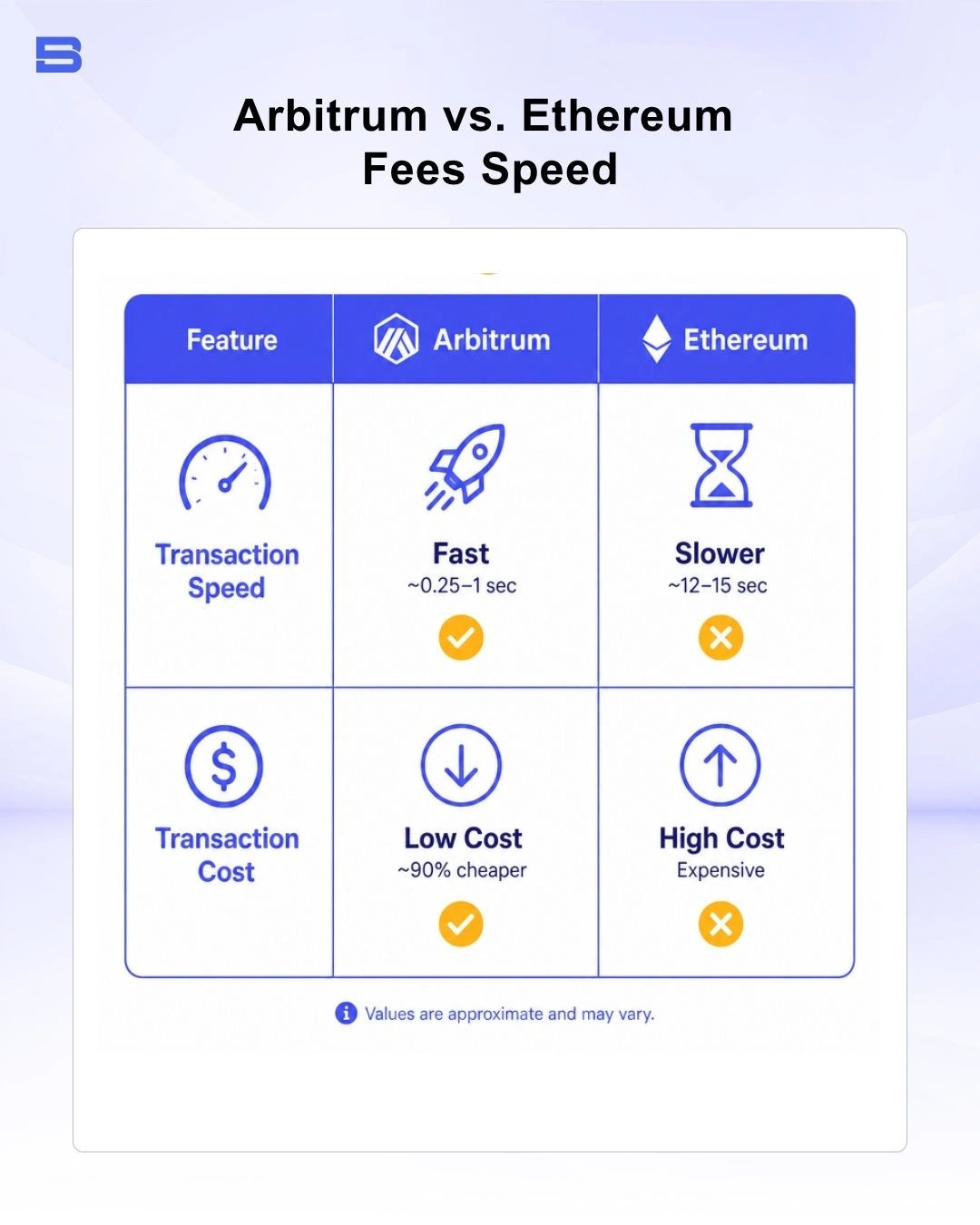
Ethereum executes every smart contract operation directly on its Layer 1 base chain. Arbitrum handles contract execution in its own environment, known as ArbOS, and sends compressed transaction batches to Layer 1. This off-chain processing model drastically reduces computational load on Ethereum, cutting average gas costs from dollars to cents.
How Arbitrum Optimistic Rollups Scale Ethereum
Arbitrum uses an architecture known as Optimistic Rollups. The protocol "optimistically" assumes that off-chain transactions are valid by default without running heavy verification checks upfront. It aggregates hundreds of individual actions into a single compressed rollup batch sent to Ethereum.
If a transaction contains invalid data, a challenge mechanism allows validators to submit a dispute. This network uses multi-round fraud proofs to resolve these disputes directly on Layer 1. This dispute resolution isolates only the disputed execution step, minimizing settlement costs on the base chain.
Transaction Finality and Security Risks
While Arbitrum reduces costs, its design introduces key tradeoffs:
- Arbitrum Challenge Period: Withdrawals from Arbitrum One to Ethereum through the traditional Arbitrum bridge are subject to a 7-day challenge period, allowing validators to submit fraud proofs against invalid state claims. Third-party liquidity bridges can provide faster withdrawals, typically in exchange for a fee.
- Sequencer Dependency: It relies on a sequencer node to order and batch transactions. If the primary sequencer goes offline, network transactions stall until batch submission reverts to processing directly on Layer 1.
- Smart Contract Exposure: Interacting with complex rollup contracts introduces exposure to potential code vulnerabilities or software bugs.
Understanding the ARB Token: Governance, Utility, and Fees
The ARB token is the native governance asset of the ecosystem. Unlike Layer 1 native tokens like ETH, ARB does not serve as the primary network gas fee token. Transactions on Arbitrum are paid directly in Ethereum (ETH).
Instead, ARB holders govern the protocol through the Arbitrum Decentralized Autonomous Organization (DAO). Token holders vote on protocol upgrades, sequencer parameter adjustments, and treasury allocations. Network upgrades to ArbOS also route fee surcharges and surplus protocol revenue into the treasury, giving governance voters direct oversight over ecosystem funding.
Token Distribution and Unlock Dynamics
ARB tokenomics — the rules governing the token's supply and distribution — feature an initial allocation divided among core contributors, early investors, the DAO treasury, and community airdrop participants. Market participants closely watch structured unlock schedules. Periodic token unlocks release vested allocations to team members and investors into circulating supply.
Large token unlocks can increase market supply rapidly. If incoming demand does not match new circulating tokens, price volatility often follows. If you're examining ARB, factor scheduled unlock events into your broader market analysis.
Arbitrum vs. Polygon: Key Layer 2 Differences
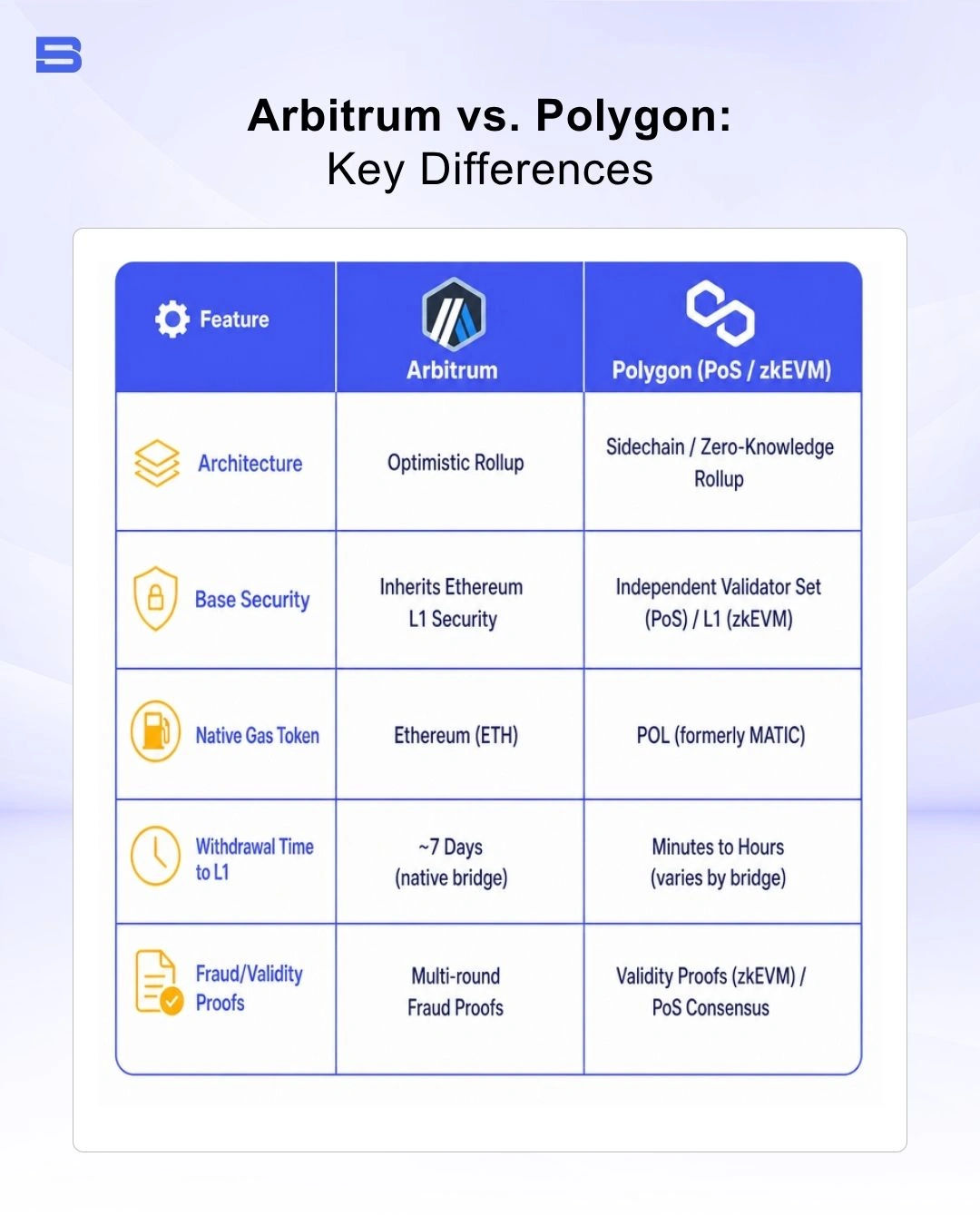
When comparing Ethereum scaling architectures, traders frequently evaluate the protocol against alternative solutions like Polygon crypto and Near Protocol. While all target network congestion, their underlying security models and rollup designs differ significantly.
Major DeFi Protocols in the Arbitrum Ecosystem
The network has developed a deep decentralized finance ecosystem, largely driven by its low execution costs and high throughput:
- Decentralized Derivatives: Platforms like GMX enable leveraged perpetual trading directly on-chain with minimal execution latency.
- Automated Market Makers: Protocols like Uniswap and Trader Joe operate high-speed liquidity pools on Arbitrum, offering lower slippage for trading altcoins.
- Yield Aggregators: Automated vaults allow users to compound yields across multiple lending and borrowing applications efficiently.
Traders interested in general crypto assets can compare Layer 2 dynamics against alternative Layer 1 ecosystems like Cardano or high-throughput chains like Solana.
Key Risks to Consider Before Trading Arbitrum
Trading ARB tokens or interacting with this protocol involves distinct financial and operational risks:
- Token Inflation and Unlocks: Regular supply releases from initial allocations can create overhead price pressure.
- Regulatory Uncertainty: Global regulatory bodies like the US Securities and Exchange Commission (SEC) continue to evaluate governance token classifications and decentralized finance structures.
- Centralization Controls: The protocol retains administrative security keys and temporary centralized fallback controls during its progressive decentralization roadmap.
Final Takeaway: Is Arbitrum Right for You?
Arbitrum offers a scalable environment for trading Ethereum ecosystem assets with lower transaction costs and faster confirmation times. However, trading ARB tokens requires balancing network growth metrics against supply dynamics, challenge period delays, and protocol risks.
You should evaluate Layer 2 token mechanics carefully alongside foundational concepts like how to trade Ethereum and how to trade Bitcoin before allocating capital.
- What Can You Trade? A Guide to Forex, Stocks, and More
- CFD Trading for Beginners
- What is CFD Trading and How Does It Work?
- Forex vs. Stocks: Which Market Suits You Best?
- How to Diversify a Portfolio Across Asset Classes
- How Dividend Stocks Work: Yields, Risks, and Strategies
- Silver Trading Explained: A Guide for Retail Investors
- Precious Metals Trading: A Complete Guide for Beginners
- Natural Gas Trading: A Guide to the Market
- Structured Warrants Malaysia: How They Work and Risks
- What Is the KLCI Index and How to Trade It
- Gold Investment in Malaysia: A Complete Guide for Beginners
- What Is Kijang Emas and How to Invest in It
- Value Investing Explained: How to Find Undervalued Stocks
- How to Trade Bitcoin Safely: A Complete Market Guide
- Growth Investing Explained: Strategies, Metrics, and Risks
- What Is Digital Gold Malaysia and How to Invest
- Crypto Trading Strategies for Beginners
- Gold vs Bitcoin: Key Differences, Risks, and Strategies
- Sukuk: A Guide for Beginners to Islamic Bonds
- What Is FCPO (Crude Palm Oil Futures) and How to Trade It
- How to Identify and Invest in Shariah-Compliant Stocks
- Timber Investment: Is It Worth It?
- Gold ETF Malaysia: A Guide for Beginners
- What Are Malaysian Government Securities (MGS)?
- Corporate Bonds Malaysia: A Guide for Beginners
- China A-Shares Trading Guide for Malaysian Investors
- What Is a Silver ETF and How to Invest in It?
- How to Trade XRP: A Practical Guide for Retail Investors
- How to Trade Solana (SOL): A Guide for Beginners
- What Are Gold Futures and How Do They Work?
- Money Market Fund in Malaysia: A Guide for Beginners
- Property Investment Malaysia: Direct Real Estate or M-REITs?
- What Is Binance Coin and How Does It Work?
- Green Sukuk: A Guide for Beginners to Islamic ESG Investing
- What Is Shiba Inu (SHIB) and How to Trade It
- What Is USDT? A Complete Guide to Tether for Beginners
- What Is Dogecoin and How to Trade It Safely for Beginners
- Cardano: A Guide for Beginners to Trade This Cryptocurrency
- Polkadot: A Guide to Trading This Cryptocurrency
- Tron: A Guide for Beginners to Trading This Cryptocurrency
- What Is Litecoin (LTC)? A Guide to Trading Digital Silver
- What Is Chainlink (LINK) and How to Trade It
- How to Trade Pepe Coin: Spot, Leverage, and Risk Management
- Near Protocol: A Guide to Trading This Cryptocurrency
- Trading Polygon Crypto: A Practical Guide for Beginners
- Trade Toncoin: Understanding the TON Ecosystem and Risks
- Cosmos Crypto: Ecosystem Architecture, Tokenomics, and Risks
- Stellar Crypto: A Guide to Trading This Cryptocurrency
- Avalanche Crypto Explained: A Practical Guide for Traders
- What Is Worldcoin? How to Trade WLD and Manage Risk
- Aptos: A Guide for Beginners to Trading This Cryptocurrency
- Sui Crypto Explained: Tokenomics and Trading Guide
- Celestia: A Guide to Trading This Cryptocurrency
- Decentraland: A Guide to Trading This Cryptocurrency
- What Is Arbitrum? How to Trade the Leading Layer 2 Network
- Sei Crypto: A Guide to Trading This Cryptocurrency
- What Is Injective Protocol and How to Trade INJ Safely
Disclaimer: The content on this page is intended for educational and informational purposes only. It does not constitute financial, investment, tax, or legal advice, and should not be interpreted as a recommendation to buy, sell, or hold any financial instrument or asset. Trading and investing involve significant risk, including the possible loss of your entire capital. Products such as forex, CFDs, and cryptocurrencies carry additional risks due to leverage, high volatility, and limited regulatory protection in some jurisdictions. Past performance of any financial instrument does not guarantee future results. Any market views, forecasts, or opinions expressed are those of the author at the time of writing and may not reflect current market conditions. Platform features, fees, and regulatory status are subject to change — always verify information directly with the relevant provider or regulator before making any financial decision. BrokerSpecs may receive compensation from third parties featured on this site. Always conduct your own due diligence and consider seeking advice from a licensed financial professional before investing.