


Related Tags
A wide range of financial assets can be traded by speculating on price movements, which include foreign exchange (forex), stocks, commodities, indices, exchange-traded funds (ETFs), and bonds. Trading enables you to speculate on the asset’s price movement—whether it’s up or down—without directly owning the underlying assets through financial derivatives such as contracts for difference (CFDs), options, or futures.
It is crucial for you to understand the potential risks associated with each asset, depending on its class, as it is possible to lose more than your initial investment.
In this article series, we will examine the major instruments in the financial markets to help you develop an effective investment strategy before you start trading.
What Is Forex?
Forex trading, also known as foreign exchange or FX trading, is the act of buying and selling currencies in the foreign exchange market to generate profit. Forex trading allows traders to buy and sell currency pairs (eg, EUR/USD) at any time. By exchanging one currency for another, traders can profit from both rising and falling markets.
Most people trade forex to take advantage of its short-term price movements and grow their capital quickly. It’s the most liquid market as it operates 24/7, enabling traders to exchange currency pairs (eg, EUR/USD) by simultaneously buying one currency and selling its counterpart.
Because of the large amount of currency being exchanged every day, some currencies may experience significant price swings, making them volatile, which is something that you need to consider before you start forex trading.
1. Exchange Currency Pair
An exchange currency pair is two currencies that are traded against each other. There are hundreds of currency combinations to choose from, but the most traded or popular pairs are:
- The Euro against the US Dollar, also known as (EUR/USD)
- The US Dollar against Japanese Yen (USD/JPY)
- The British Pound against the US Dollar (GBP/USD)
2. Base Currency and Quote Currency
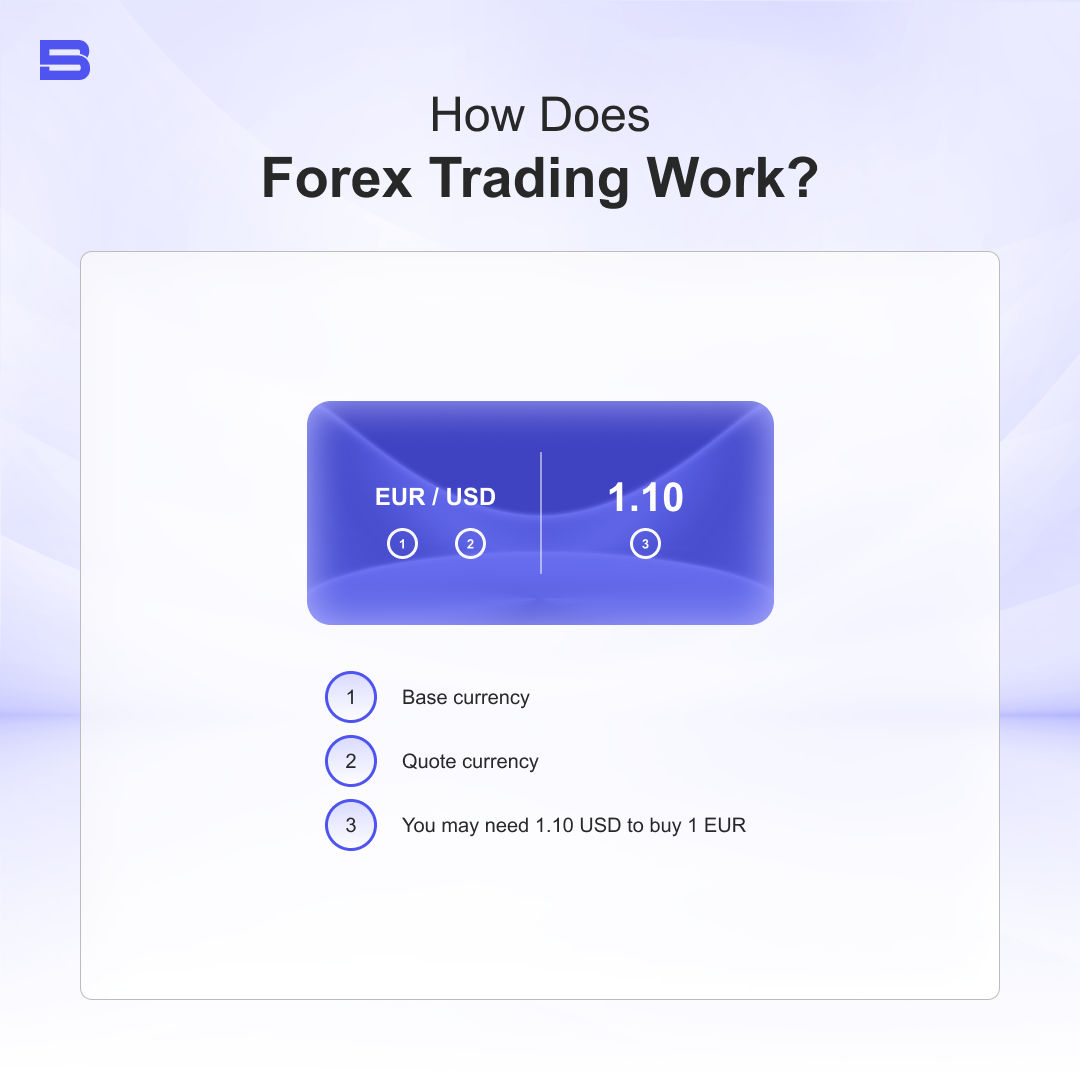
In a currency pair, the base currency is the first currency listed, representing one unit, while the quote or counter currency is the unit of value used to price the base currency.
The value of an exchange pair is influenced by the strength of both currencies; when the base currency strengthens, the price goes up, and when the quote currency strengthens, the price goes down. Understanding this relationship is vital to evaluating your potential profits or losses.
How Does Forex Trading Work?
Forex trading involves simultaneously buying one currency while selling another, as currencies are always traded in pairs. In forex trading, traders can see the market prices of currency pairs—how much one currency is required to purchase another. For instance, the market price of the EUR/USD currency pair shows how many US dollars you need to buy 1 Euro.
To illustrate:
Forex trading offers a versatile way to participate in the global financial market by buying and selling currency pairs. Having a clear understanding of base and quote currencies and how currencies fluctuate is essential for making informed decisions.
While forex trading offers significant benefits, navigating its risks requires a well-prepared plan and a proper risk management strategy. Its appeal lies in the potential to capitalize on short-term price changes, making it a popular choice for traders seeking growth and flexibility.
Stocks
A stock is a type of security that represents ownership of the corporation that issued it. Each unit is known as a share, and an owner is entitled to a portion of the corporation’s profit (dividend) equal to the number of shares owned. You can buy stocks from companies that are listed on a stock exchange.
Stock exchanges, such as Nasdaq or the New York Stock Exchange (NYSE), enable the buying and selling of stocks of publicly listed companies. There are several ways for companies to go public; the most common way is through an Initial Public Offering (IPO).
Types of Stock
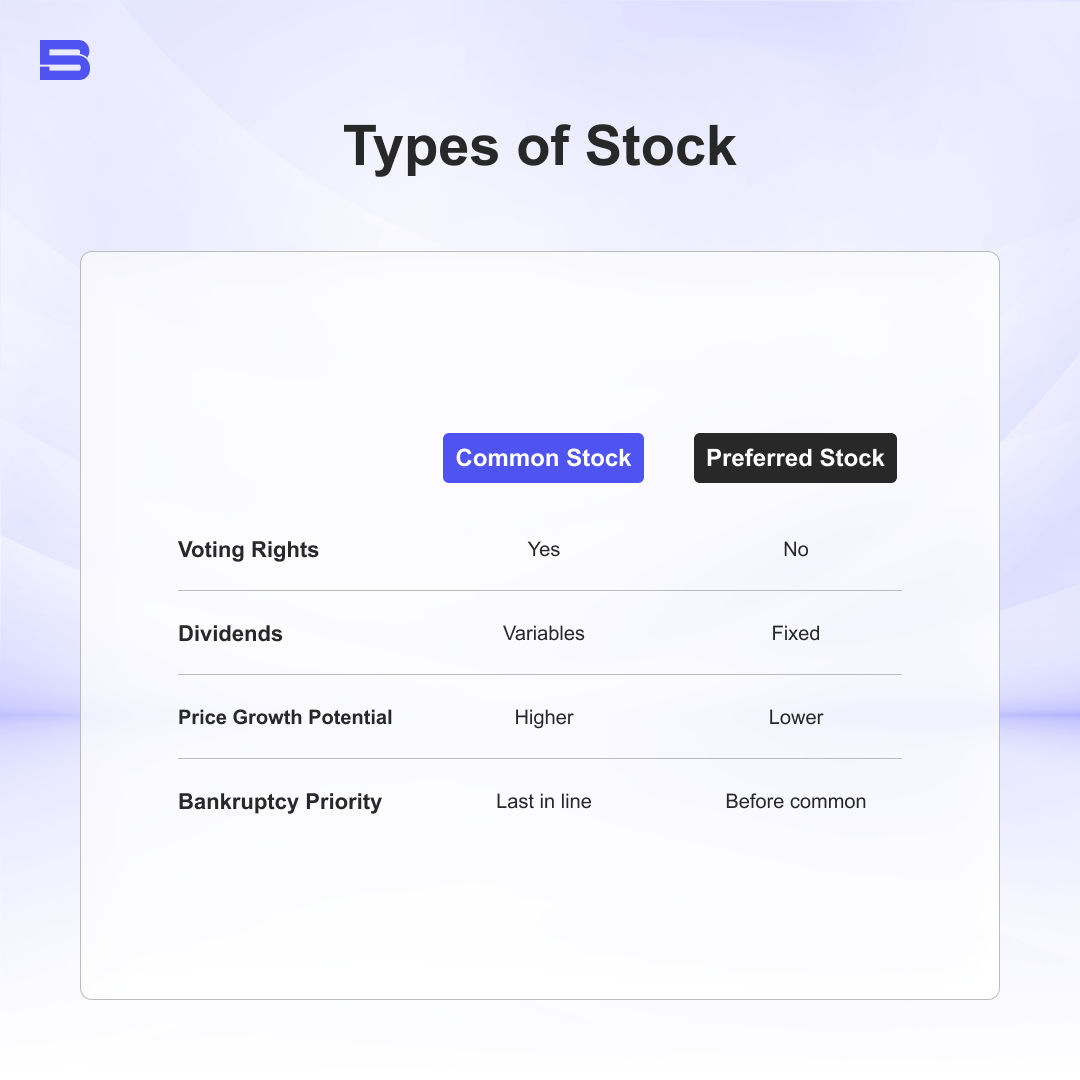
There are two main types of stock: common stock and preferred stock.
| Common Stock | Preferred Stock | |
| Voting Rights | Yes | No |
| Dividends | Variables | Fixed |
| Price Growth Potential | Higher | Lower |
| Bankruptcy Priority | Last in line | Before common |
How to Trade Stocks
Trading stocks means you’re speculating on the price movement without taking direct ownership of the asset. If you speculate that the price will rise, you can buy (go long) the stocks as well as sell (go short) if the price falls. When you buy a stock, you own a small portion of that company. Traders usually focus on short-term price movements, using market analysis and timing to enter and exit the market while managing risks along the way.
You can trade stocks using financial derivatives such as CFDs, options, or futures, but something you need to ponder: these are leveraged. It means you’ll get exposure for a small deposit rather than paying the entire upfront value. Your profit or loss can far outweigh the deposit amount, which makes it riskier than taking ownership of the asset directly.
When Can Stocks Be Traded?
Stock trading occurs only during set business hours, typically from Monday to Friday. Generally, it’s closed on weekends and public holidays, although some brokers offer overnight sessions from Sunday to Friday. International markets usually stick to the same window but in local time.
Here are the key trading session times (Eastern Time - ET):
- Regular trading hours: 9:30 am - 4:30 pm ET
- Pre-trading hours: 4:00 am - 9:30 am ET
- After-hours trading: 4:00 pm - 8:00 pm ET
- Overnight trading: 8:00 pm - 4:00 am ET
Extended-hours trading allows investors to buy and sell securities outside standard US stock market hours but comes with its own rules, limitations, and risks. It has higher
volatility, and not every stock can be traded during these hours.
What are Commodities?
Commodities are tangible goods—such as oil, sugar, and precious metals—that are harvested or extracted and then processed as essential raw materials for the production of other goods and used in various industries. They play a fundamental role in the economy, serving as key inputs in the production of food, energy, and clothing. Like stocks, commodities are also bought and sold through exchanges.
Types of Commodities
Commodities are typically categorized into two types:
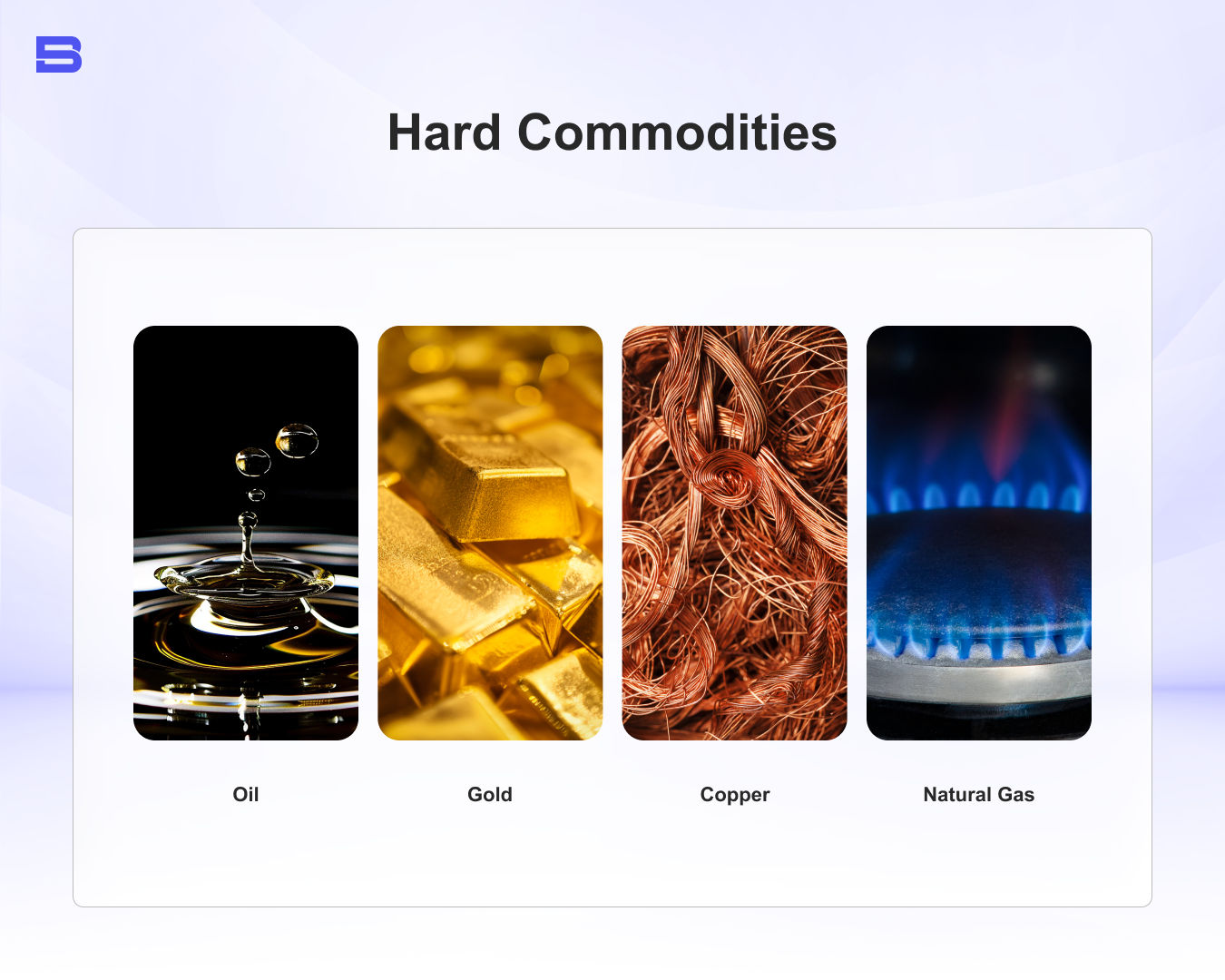
Hard Commodities
These are earth-derived materials obtained from natural resources through mining or extraction processes, such as energy and metals. For instance:
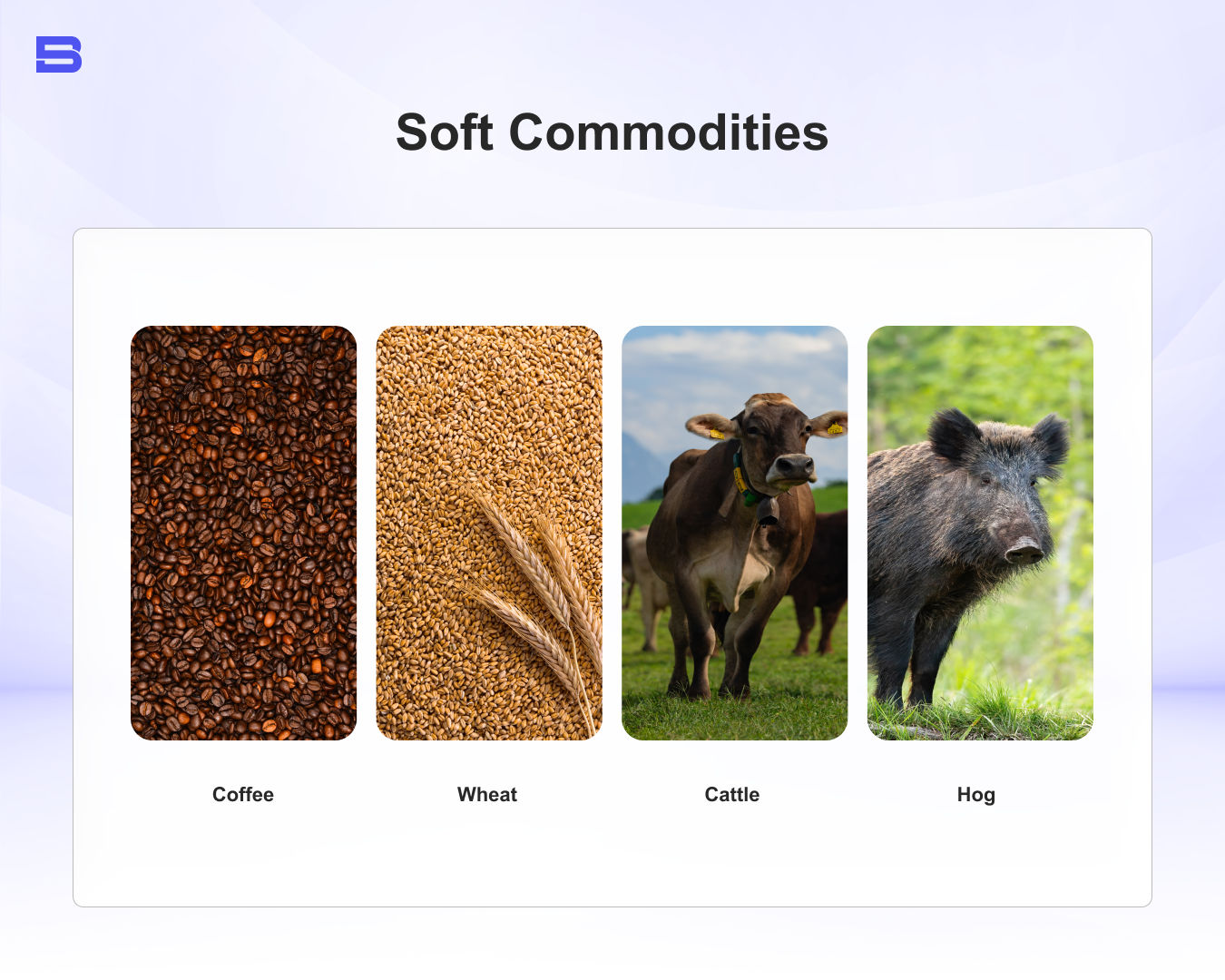
Soft Commodities
These commodities are grown and harvested, such as livestock and agricultural products. For example:
How are They Traded?
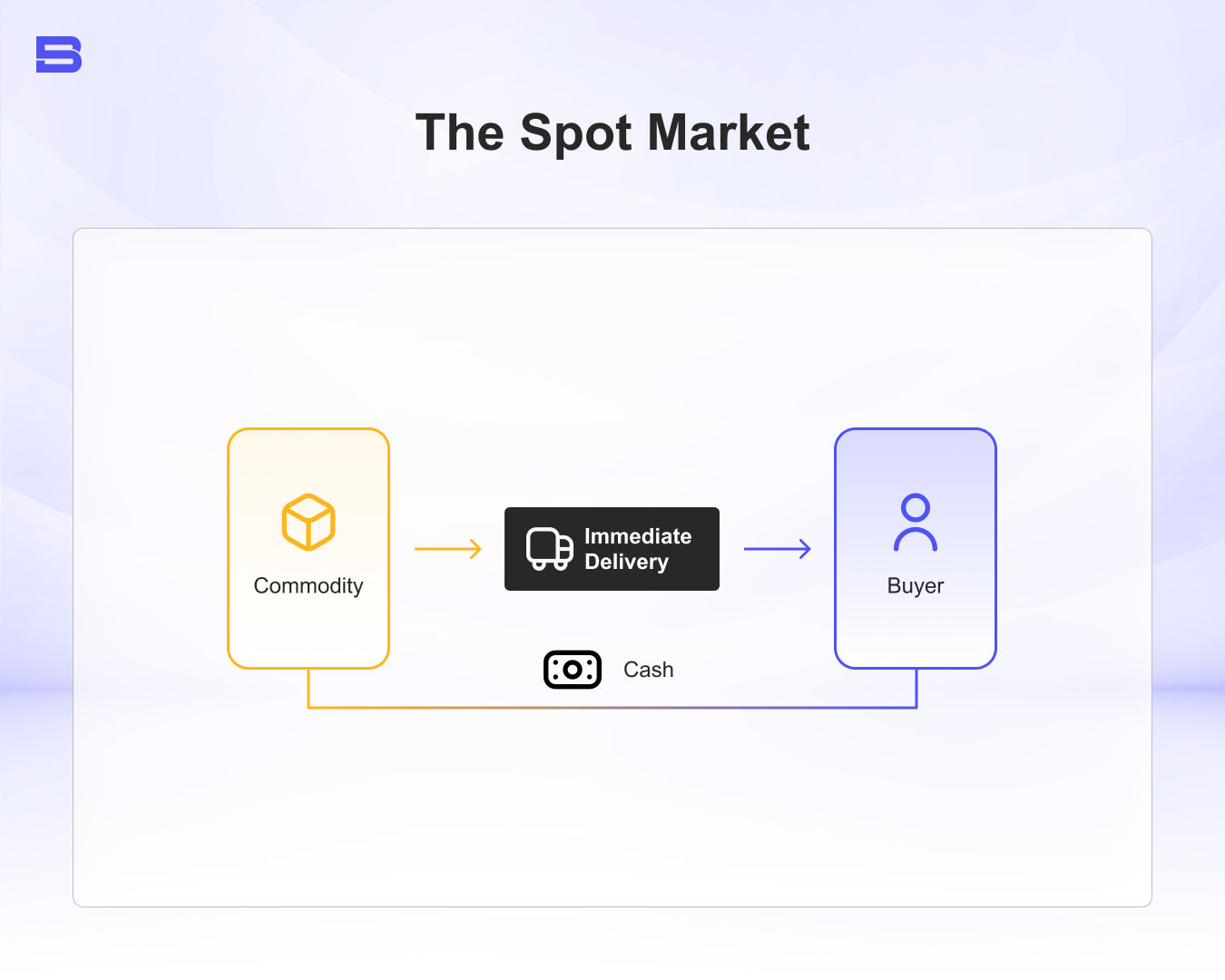
The Spot Market
In the spot market, investors buy and sell assets for cash and get them delivered instantly. In other words, if you need to hold the commodities physically, you can opt for the spot market, as producers are able to deliver the asset immediately.
The Futures Market
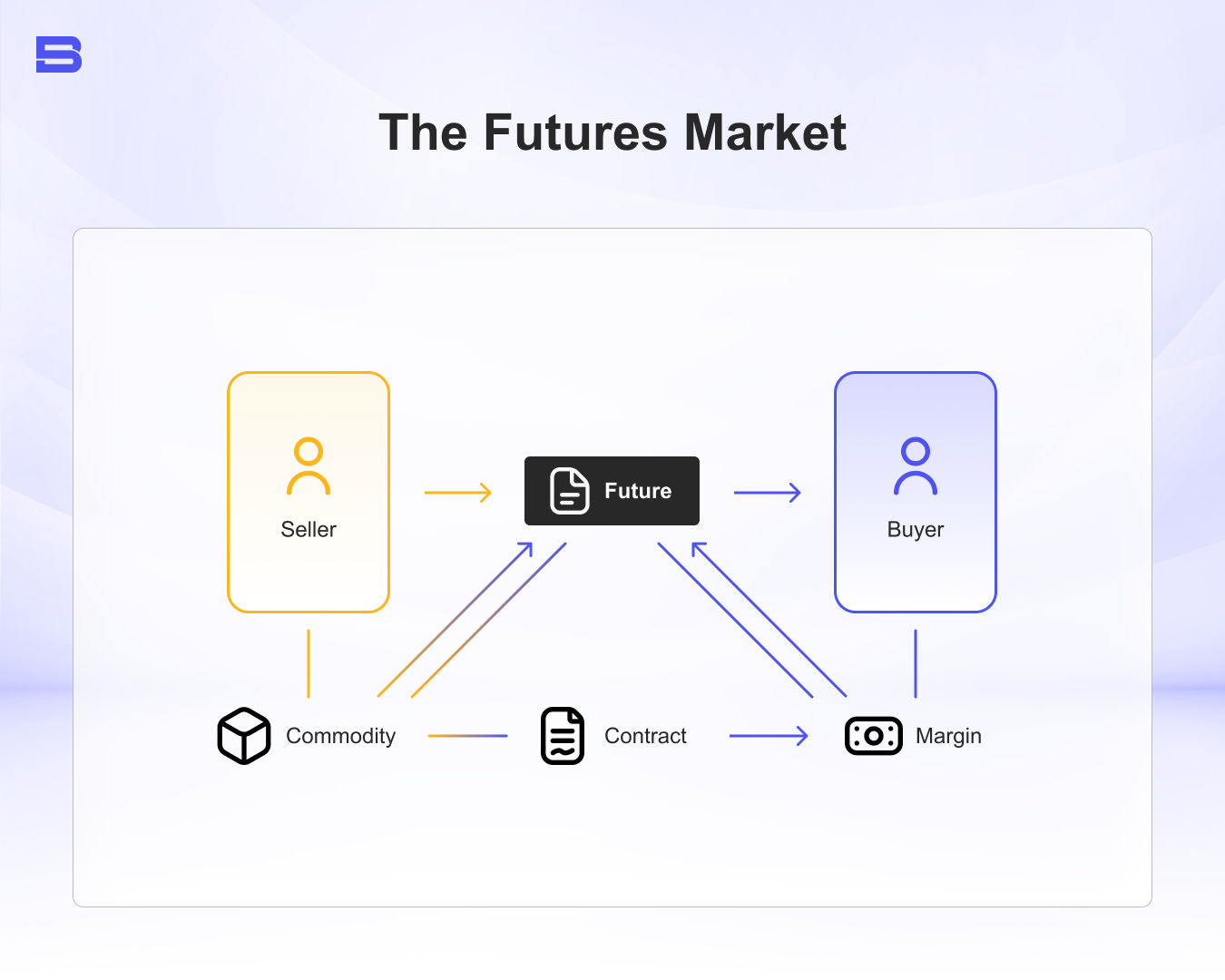
Buyers and sellers agree to exchange a specific quantity of commodities on a fixed date in the future, at a specific price agreed by both parties. Traders speculate on commodity prices without having to own the assets. As it’s not physically traded on the exchange, the futures contract can be sold and closed before the actual delivery date.
The following illustration provides a breakdown of the futures market:
Who Trades Commodity Futures
There are several types of futures commodity traders:
1. Hedgers
Companies or individuals that produce, extract, or manage physical commodities. They use futures contracts to "lock in" prices, protecting themselves against the risk of future price fluctuations.
2. Speculators
Private investors who aim to profit from price movements without any intention of owning the physical asset. They provide the market with essential liquidity by taking on the price risk that others want to avoid.
3. Arbitrageurs
Specialized traders who buy and sell commodities in different markets. Their goal is to profit from small price discrepancies, which helps ensure that prices remain consistent across global exchanges.
Whether your goal is hedging risk, speculating on price movements, or managing an investment portfolio, understanding the types of commodity traders and their trading methods is essential for navigating the commodity market effectively, as misinterpreting market signals can lead to significant mistakes.
What is CFD Trading?
A CFD, also known as a Contract for Difference, is an agreement between a broker and a trader to exchange the difference in an asset’s price before and after the opening and closing of a trade.
CFD is an over-the-counter (OTC) trading where traders use financial instruments that allow them to speculate on the asset's price movement, like forex, stocks, and commodities, without owning the underlying asset.
When you close a CFD trade, the difference in opening and closing prices will determine your profit and loss. The closer the market moves to your prediction, the more profit you’ll make. On the other hand, if more market moves against you, the greater your losses will be.
CFD Trading Essentials
Here are some of the key characteristics of CFD trading that you should know:
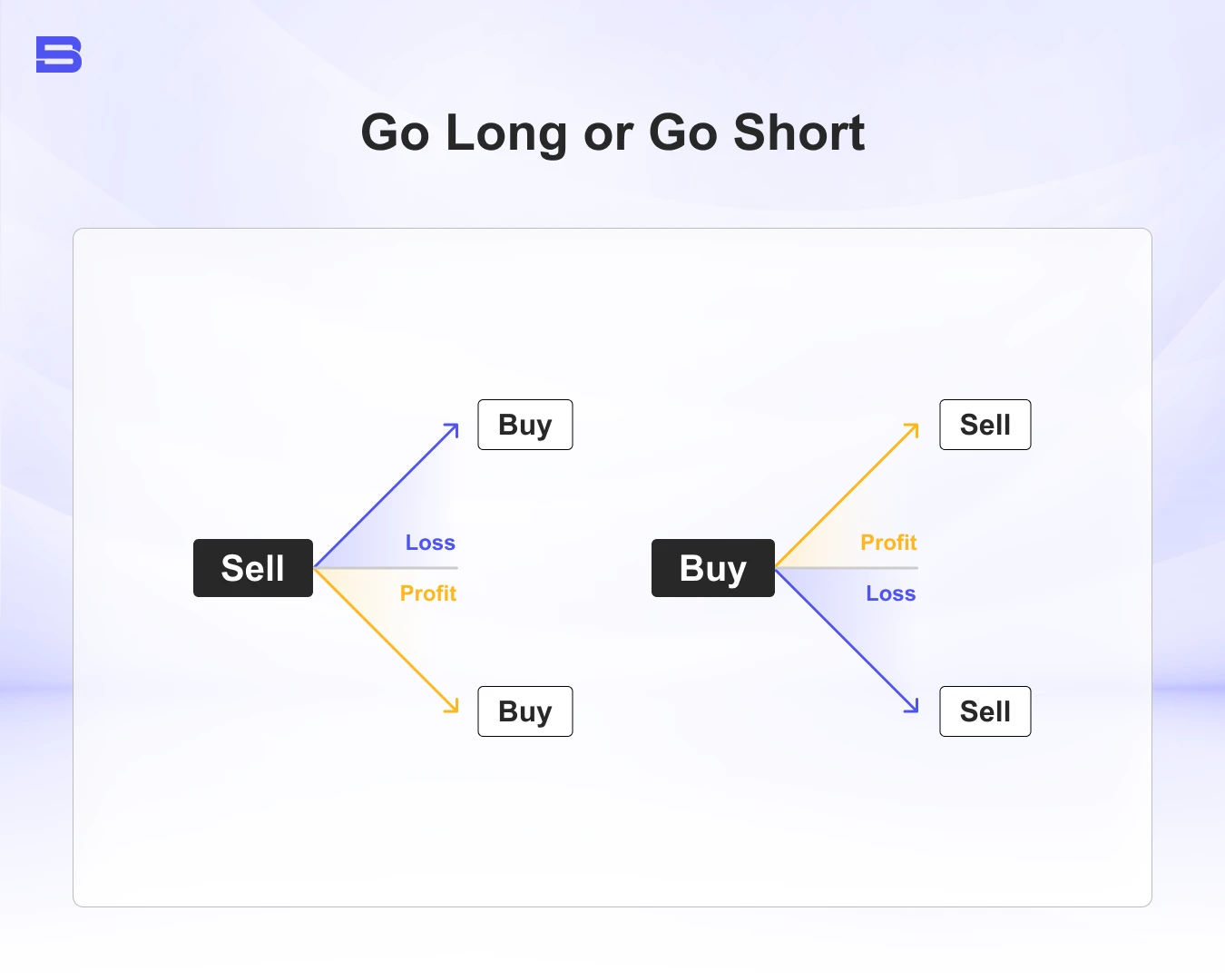
Go Long or Go Short
When trading CFDs, you are predicting whether the price will go up or down. If you think the asset’s price will go up, you’d take a long position (buy), and if you think the price will go down, you’d take a short position (sell). Whether you realize a profit or a loss depends on whether the market moves in your favored direction.
Leveraged
As CFD trading is leveraged, it allows you to gain high exposure to the market for a small initial deposit, also known as margin. To put it simply, you only need to deposit a portion of the total trade value as margin to gain exposure to the full position.
To illustrate, here’s an example of share CFD:
- Open a CFD trade: 50 Tesla shares
- Share price: $800 per share
- Trade value: $40,000
- Margin: $8,000 (20% of the total trade value)
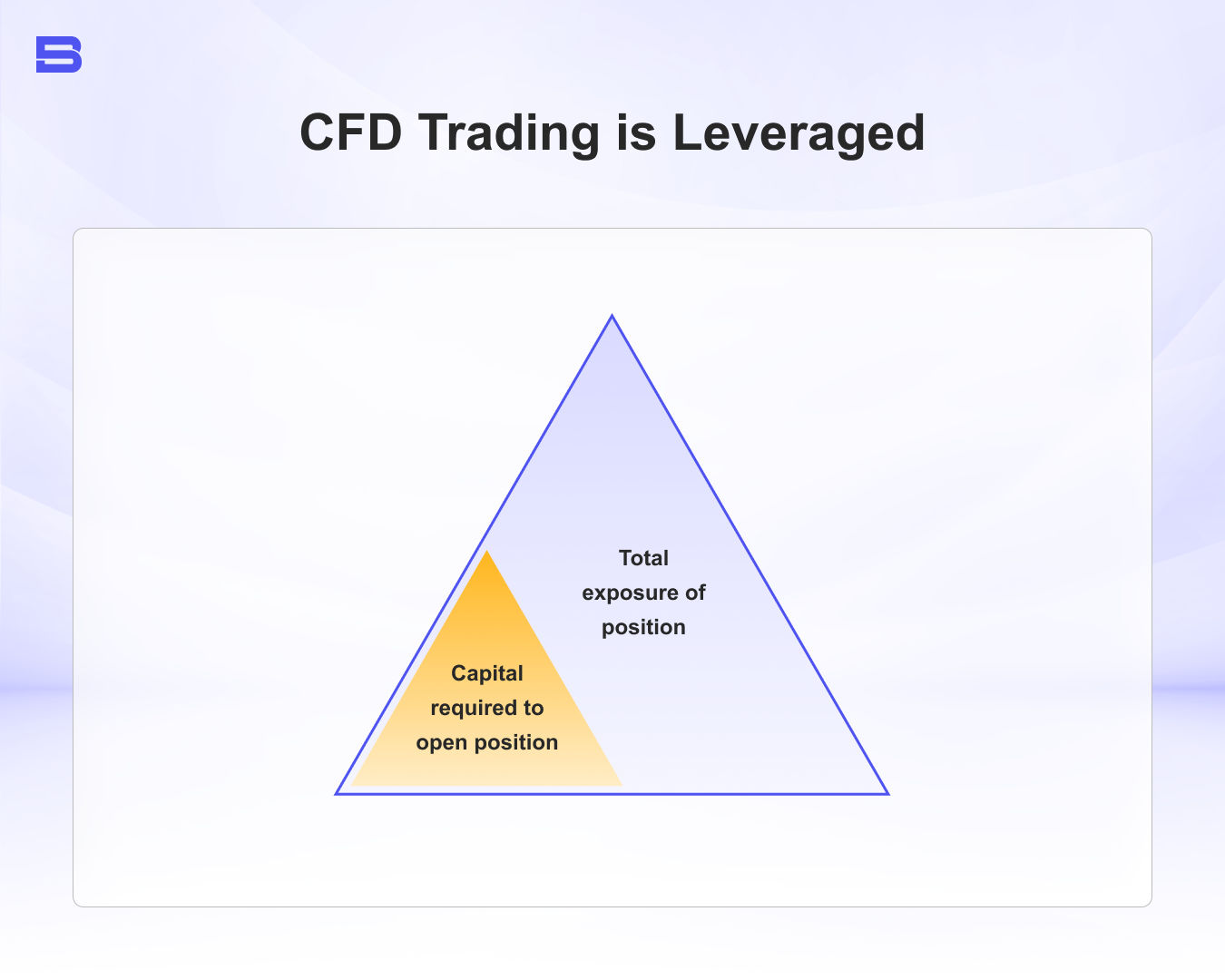
However, note that your profit and loss will be calculated based on the total trade value ($40,000), not the ($8,000) margin. CFD trading uses leverage to amplify gains and magnify losses, making it a high-risk investment where losses can build quickly and exceed the initial deposit.
Final Thoughts
In conclusion, trading provides a way for skilled traders to efficiently and effectively capitalize on global market fluctuations—whether through direct asset ownership or speculating on price movements via derivatives. It offers a diverse range of opportunities across various asset classes, from the high liquidity of forex and the ownership potential of stocks to the tangible nature of commodities.
Understanding the unique mechanics and risks of each instrument and the strategic differences between trading and investing is essential for any market participant. By building a solid educational foundation and implementing robust risk management strategies, beginners can navigate these complex markets with greater confidence and clarity.
- What Can You Trade? A Guide to Forex, Stocks, and More
- CFD Trading for Beginners
- What is CFD Trading and How Does It Work?
- Forex vs. Stocks: Which Market Suits You Best?
- How to Diversify a Portfolio Across Asset Classes
- How Dividend Stocks Work: Yields, Risks, and Strategies
- Silver Trading Explained: A Guide for Retail Investors
- Precious Metals Trading: A Complete Guide for Beginners
- Natural Gas Trading: A Guide to the Market
- Structured Warrants Malaysia: How They Work and Risks
- What Is the KLCI Index and How to Trade It
- Gold Investment in Malaysia: A Complete Guide for Beginners
- What Is Kijang Emas and How to Invest in It
- Value Investing Explained: How to Find Undervalued Stocks
- How to Trade Bitcoin Safely: A Complete Market Guide
- Growth Investing Explained: Strategies, Metrics, and Risks
- What Is Digital Gold Malaysia and How to Invest
- Crypto Trading Strategies for Beginners
- Gold vs Bitcoin: Key Differences, Risks, and Strategies
- Sukuk: A Guide for Beginners to Islamic Bonds
- What Is FCPO (Crude Palm Oil Futures) and How to Trade It
- How to Identify and Invest in Shariah-Compliant Stocks
- Timber Investment: Is It Worth It?
- Gold ETF Malaysia: A Guide for Beginners
- What Are Malaysian Government Securities (MGS)?
- Corporate Bonds Malaysia: A Guide for Beginners
- China A-Shares Trading Guide for Malaysian Investors
- What Is a Silver ETF and How to Invest in It?
- How to Trade XRP: A Practical Guide for Retail Investors
- How to Trade Solana (SOL): A Guide for Beginners
- What Are Gold Futures and How Do They Work?
- Money Market Fund in Malaysia: A Guide for Beginners
- Property Investment Malaysia: Direct Real Estate or M-REITs?
- What Is Binance Coin and How Does It Work?
- Green Sukuk: A Guide for Beginners to Islamic ESG Investing
- What Is Shiba Inu (SHIB) and How to Trade It
- What Is USDT? A Complete Guide to Tether for Beginners
- What Is Dogecoin and How to Trade It Safely for Beginners
- Cardano: A Guide for Beginners to Trade This Cryptocurrency
- Polkadot: A Guide to Trading This Cryptocurrency
- Tron: A Guide for Beginners to Trading This Cryptocurrency
- What Is Litecoin (LTC)? A Guide to Trading Digital Silver
- What Is Chainlink (LINK) and How to Trade It
- How to Trade Pepe Coin: Spot, Leverage, and Risk Management
- Near Protocol: A Guide to Trading This Cryptocurrency
- Trading Polygon Crypto: A Practical Guide for Beginners
- Trade Toncoin: Understanding the TON Ecosystem and Risks
- Cosmos Crypto: Ecosystem Architecture, Tokenomics, and Risks
- Stellar Crypto: A Guide to Trading This Cryptocurrency
- Avalanche Crypto Explained: A Practical Guide for Traders
- What Is Worldcoin? How to Trade WLD and Manage Risk
- Aptos: A Guide for Beginners to Trading This Cryptocurrency
- Sui Crypto Explained: Tokenomics and Trading Guide
- Celestia: A Guide to Trading This Cryptocurrency
- Decentraland: A Guide to Trading This Cryptocurrency
- What Is Arbitrum? How to Trade the Leading Layer 2 Network
- Sei Crypto: A Guide to Trading This Cryptocurrency
- What Is Injective Protocol and How to Trade INJ Safely
Disclaimer: The content on this page is intended for educational and informational purposes only. It does not constitute financial, investment, tax, or legal advice, and should not be interpreted as a recommendation to buy, sell, or hold any financial instrument or asset. Trading and investing involve significant risk, including the possible loss of your entire capital. Products such as forex, CFDs, and cryptocurrencies carry additional risks due to leverage, high volatility, and limited regulatory protection in some jurisdictions. Past performance of any financial instrument does not guarantee future results. Any market views, forecasts, or opinions expressed are those of the author at the time of writing and may not reflect current market conditions. Platform features, fees, and regulatory status are subject to change — always verify information directly with the relevant provider or regulator before making any financial decision. BrokerSpecs may receive compensation from third parties featured on this site. Always conduct your own due diligence and consider seeking advice from a licensed financial professional before investing.