



Related Tags
When you first venture into retail trading, you might feel overwhelmed by the sheer number of brokers, platforms, and trading strategies available. In your search for tutorials, signal groups, or local trading communities, you will almost certainly encounter individuals or firms sharing registration links and offering personalized support. These intermediaries are known in the financial industry as introducing brokers (IBs).
Understanding how these partner ecosystems function is essential for protecting your trading capital and ensuring that your transaction costs remain fair.
What Is an Introducing Broker (IB)?
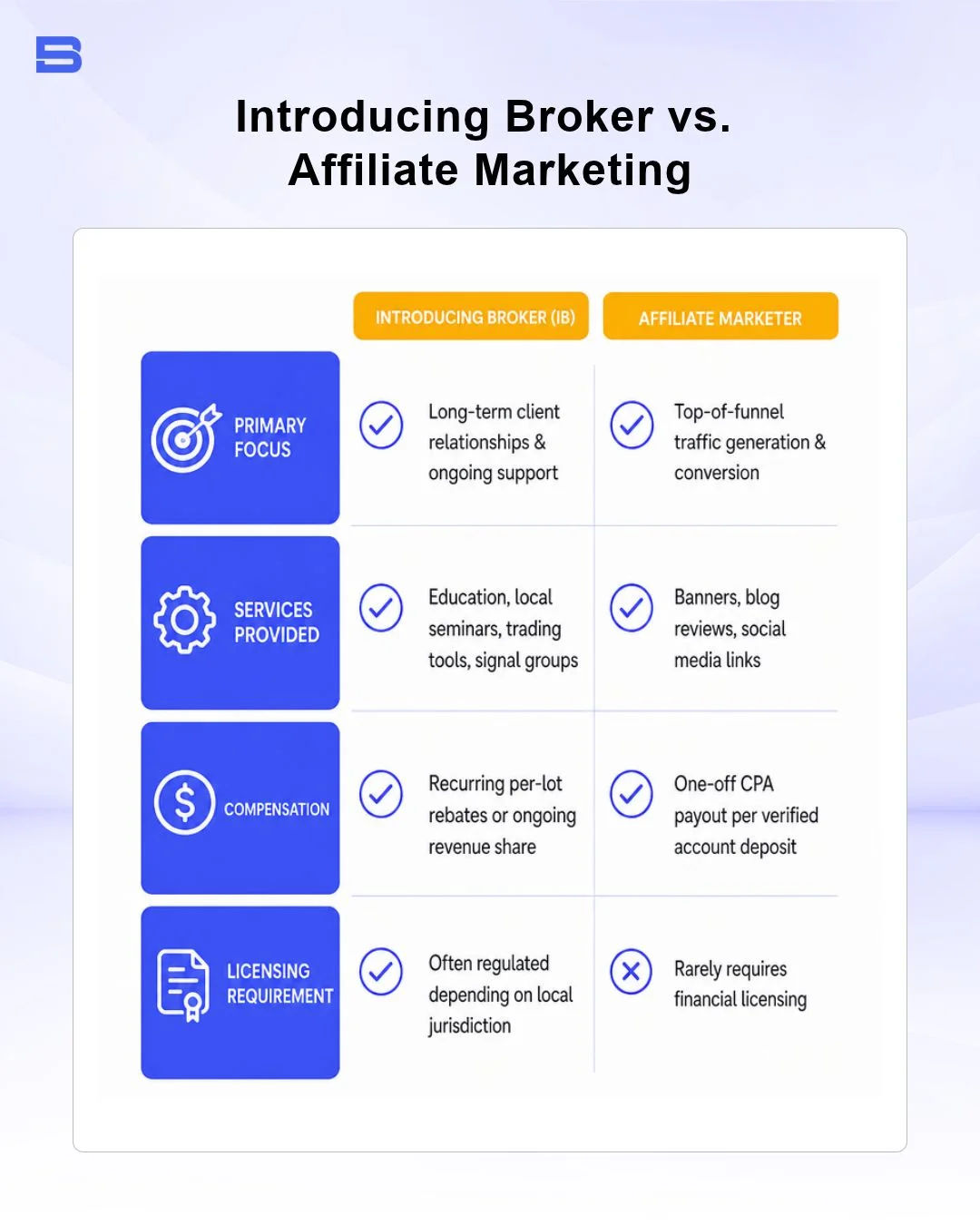
An IB is an individual or business entity that acts as an intermediary between retail traders and a primary clearing broker. Rather than holding client funds or executing trades directly, an IB focuses entirely on client acquisition, education, and ongoing support.
In the foreign exchange market, an IB forex partner introduces prospective clients to a primary brokerage platform. Once you open an account through their unique referral link, the primary broker handles market execution, risk management, and regulatory reporting, while the IB serves as your primary point of contact for localized support.
How Introducing Broker Forex Programs Function
The relationship between you, the IB, and the primary brokerage functions as a tri-party dynamic:
- The Trader (You): You open a trading account with the primary broker via an IB's referral link, deposit funds, and execute market positions on the broker's platform.
- The Primary Broker: Provides the trading software, liquidity access, clearing services, and regulatory oversight.
- The Introducing Broker: Provides localized client onboarding, market analysis, trading tools, or educational workshops.
The primary clearing broker outsources its marketing and client acquisition efforts to the IB. In return, the IB receives a fee or commission from the primary broker for as long as you remain an active trader.
How Introducing Brokers Make Money: Commission Models
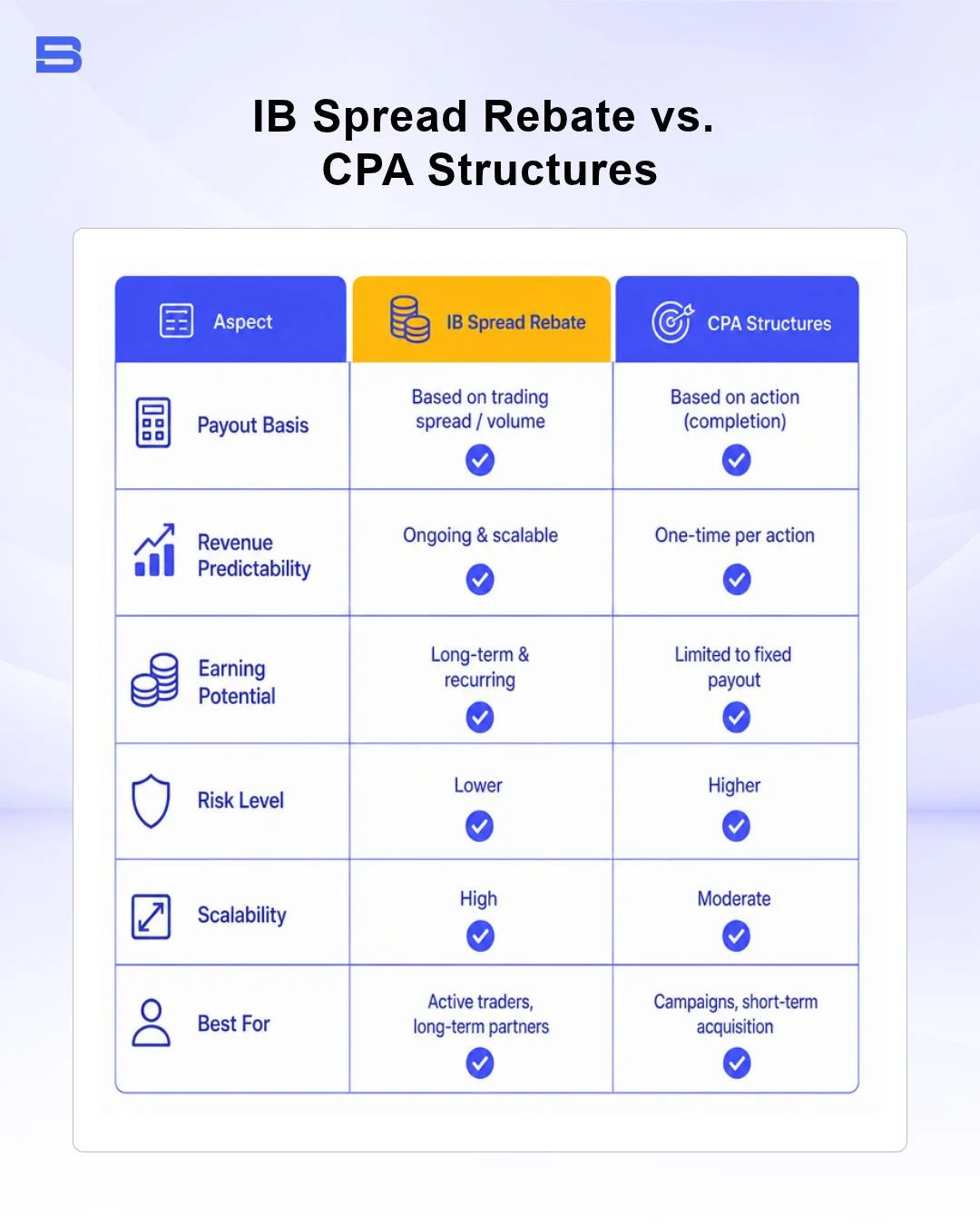
Understanding how introducing brokers make money helps you evaluate whether their incentives align with your long-term success. Brokers compensate IBs through three main commission structures:
- Volume-Based Rebates (Per-Lot Commission): The IB earns a fixed amount (e.g., $3 to $8) for every standard lot you trade, regardless of whether your trade wins or loses.
- Revenue Share (RevShare): The IB receives a fixed percentage of the net revenue generated by the broker from your trading activity (spreads, overnight financing fees, or commissions).
- Cost Per Acquisition (CPA): The IB receives a one-time flat fee once you register, verify your identity, and meet a minimum deposit requirement.
When trading on a margin account, high leverage allows traders to open larger lot sizes. While this increases the rebate potential for an IB, it simultaneously exposes the trader to heightened liquidation risks.
Introducing Broker vs. Affiliate Marketing
While both models rely on client referrals, their operational depth and client engagement differ significantly:
Multi-Tier Networks and Sub-IB Structures
Larger IBs often operate multi-tier networks using a sub-IB structure. Under this hierarchy, a Master IB recruits smaller partners (Sub-IBs) to bring in traders. The primary broker pays commissions to the Sub-IB, while the Master IB receives an additional percentage "override" on all secondary referral volume.
Regulation and Licensing for Introducing Brokers
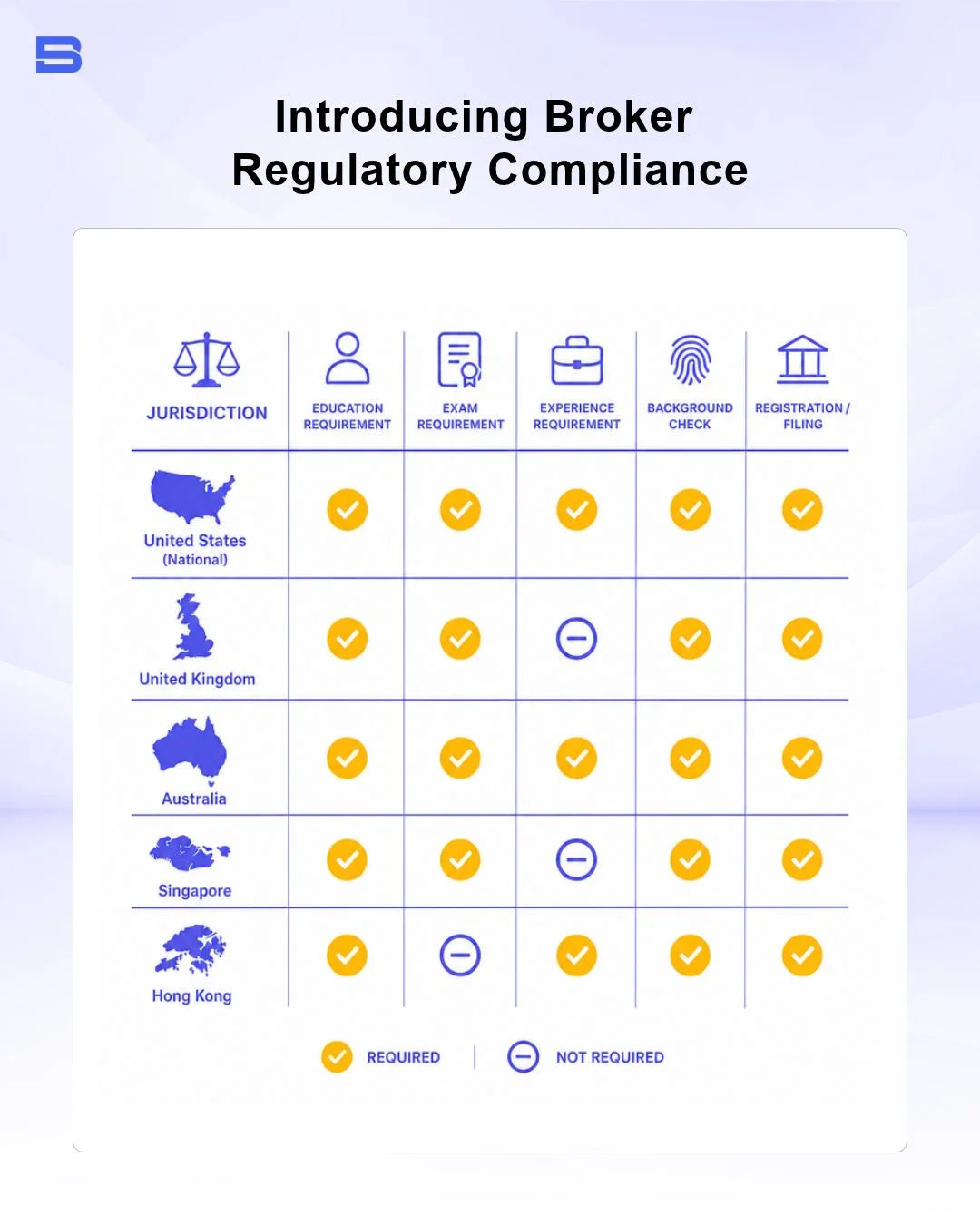
A key consideration when dealing with an IB is regulatory oversight. Rules vary dramatically based on location:
- Strict Jurisdictions: In the United States, IBs must register with the Commodity Futures Trading Commission (CFTC) and join the National Futures Association (NFA). Similar formal oversight applies under the Financial Conduct Authority (FCA) in the UK and the Australian Securities and Investments Commission (ASIC).
- Offshore and Emerging Markets: In many offshore jurisdictions, IBs operate without direct financial licenses, acting simply as corporate referral agents.
Managing Trading Costs and Spread Markups
One critical conflict of interest to watch for is the broker markup spread. Some brokers allow IBs to add an additional markup (e.g., 0.5 to 1.0 pips) onto the baseline spread in exchange for a higher rebate share.
For example, if a broker's native EUR/USD spread is 1.0 pip, an unethically structured IB relationship might widen your effective execution spread to 1.8 pips. Over hundreds of trades, this markup directly inflates your transaction costs and reduces your trading edge.
Always verify with your primary broker whether joining via an IB link changes your default trading conditions or account spreads.
IB Partnerships vs. PAMM Accounts
It is important not to confuse an IB with an account manager running a PAMM account:
- An IB introduces you to a brokerage platform, offers educational guidance, and lets you retain full control over your own order execution.
- A PAMM (Percent Allocation Management Module) Manager holds discretionary authority over pooled client capital, executing trades on your behalf in exchange for a performance fee.
Unless an IB holds specific discretionary asset management licenses, they cannot legally manage your trading capital or execute trades on your behalf.
Conclusion
Working with a reliable IB may provide valuable local support, educational materials, and community insights as you navigate financial markets. However, as a trader, you must ensure that your IB operates transparently, carries appropriate regulatory credentials where required, and does not push overtrading purely to drive rebate revenue.
Always review your primary broker's fee structure to verify that your spreads and execution costs remain competitive.
- Proprietary Trading Explained: What It Is and Its Key Benefits
- TradingView: Features, Broker Integration, and Strategies
- cTrader: How It Works and How It Compares
- What Is a VPS for Trading and Do You Need One?
- Thinkorswim Trading: Features, Tools, and Availability
- Trading Platform Malaysia: What to Look For
- Bursa Anywhere: A Guide to Managing Shares in Malaysia
- What Is Forex Factory and How Do Traders Use It?
- Delta App: Multi-Asset Portfolio Tracker for Crypto & Stocks
- What Is Trading Central and How to Use It?
- What Is Simply Wall St and How to Use It
- What Is Seeking Alpha and How to Use It
- What Is MarketWatch and How to Use It
- What Is Barchart and How to Use It
- Google Finance Explained: How to Track Stocks and Markets
- What Is Finviz and How to Use It for Stock Screening
- What Is Yahoo Finance and How to Use It
- What Is TradingEconomics and How to Use It
- StockCharts Review 2026: Features, Pricing, and Performance
- What Is ZuluTrade and How Does Copy Trading Work on It?
- What Is Investing.com and How to Use It?
- What Is Myfxbook and How Do Traders Use It?
- What Is CoinGecko? A Complete Guide to Crypto Data Tracking
- What Is CoinMarketCap and How to Use It
- What Is CoinStats and How to Use It for Portfolio Tracking
- What Is Sharesight and How to Use It for Portfolio Tracking
- What Is Personal Capital and How to Use It
- What Is a Low Spread Broker? How It Affects Your Trading
- What Is an Introducing Broker (IB) in Forex?
- What Is Social Trading? How Copy Trading Platforms Work
- What Is a PAMM Account? How Managed Forex Accounts Work
- What Is a Margin Account and How Does Margin Trading Work?
- What Are Trading Signals and How Do They Work?
- What Is an Expert Advisor (EA) in Forex Trading?
Disclaimer: The content on this page is intended for educational and informational purposes only. It does not constitute financial, investment, tax, or legal advice, and should not be interpreted as a recommendation to buy, sell, or hold any financial instrument or asset. Trading and investing involve significant risk, including the possible loss of your entire capital. Products such as forex, CFDs, and cryptocurrencies carry additional risks due to leverage, high volatility, and limited regulatory protection in some jurisdictions. Past performance of any financial instrument does not guarantee future results. Any market views, forecasts, or opinions expressed are those of the author at the time of writing and may not reflect current market conditions. Platform features, fees, and regulatory status are subject to change — always verify information directly with the relevant provider or regulator before making any financial decision. BrokerSpecs may receive compensation from third parties featured on this site. Always conduct your own due diligence and consider seeking advice from a licensed financial professional before investing. Portions of this article were prepared with the assistance of AI tools and reviewed by our editorial team before publication.