


- How to Start Trading: A Step-by-Step Guide for Beginners
- Demo Trading Accounts: Safe Practice for Beginners
- Understanding How Much Capital You Need to Start Trading
- How to Set Realistic Trading Goals as a New Trader
- How to Open a Trading Account in Malaysia (Step-by-Step)
- How to Start Trading in Malaysia: A Guide for Beginners
- How to Create a Trading Plan Before You Start Trading
- What Is a Trading Account? Everything You Need to Know
- How to Learn Trading: Step-by-Step Beginner Roadmap
- What Is Stop Loss in Trading and How Does It Work?
- Why Every Trader Needs a Trading Journal
- Islamic Forex Account Explained: How Swap-Free Trading Works
- Funded Trading Account: Rules, Splits & Risks
- Master Money Management: Practical Capital Protection Rules
- Overtrading Explained: Common Causes, Signs, and How to Stop
- How Risk-Reward Ratio Works: A Guide to Trading Risk
- How to Open a Brokerage Account as a Beginner
- What Is a Cent Account Forex and How Does It Work?
- What Is an ECN Account and How Does It Work?
- What Is Cashback Forex and How Does It Work?
- Fixed Deposit vs Unit Trust: Key Differences for Investors
- Welcome Bonus Forex: What It Is and What to Watch For
- Forex Deposit Bonus: How It Works
- What Is Forex Rebate and How Does It Work?
- What Is Forex Free Credit and How Does It Work?
- Trading Webinars: Are They Worth Attending?
- Trading for Beginners PDF: What to Look For in a Good Guide
- Trading 101: How to Start Trading Safely and Effectively
Learning how to open a brokerage account for the first time can seem overwhelming. After visiting a broker's website, you'll encounter unfamiliar terms such as cash and margin accounts, KYC verification, and base currency selection.
While the process may appear complex, opening a brokerage account is straightforward once you understand the required documents and key steps. This guide explains how to open a brokerage account step by step, from choosing the right account type and completing identity verification to avoiding hidden fees and funding your account securely.
What Is a Brokerage Account and How Does It Work?
A brokerage account is a specialized financial account that acts as a secure gateway between your personal bank account and global capital markets. While a standard bank account holds cash for daily spending, a brokerage account allows you to hold cash alongside various financial securities, including stocks, exchange-traded funds (ETFs), bonds, and derivatives.
When you open a brokerage account, your broker acts as an intermediary. For instance, if you want to invest in a global ETF, you transfer funds from your local bank into your brokerage account, place an order through the broker’s software, and the broker executes that order on the exchange. The broker then holds those shares or digital entitlement records on your behalf.
Understanding what is a trading account versus a traditional equity brokerage account is comes down to strategy: brokerage accounts generally prioritize holding long-term investments, whereas trading accounts cater to active speculation with specialized tools.
Step 1: Select the Right Account Type for Your Strategy
Brokers offer several distinct account structures. Picking the wrong one early on can result in unexpected interest charges or inappropriate leverage.
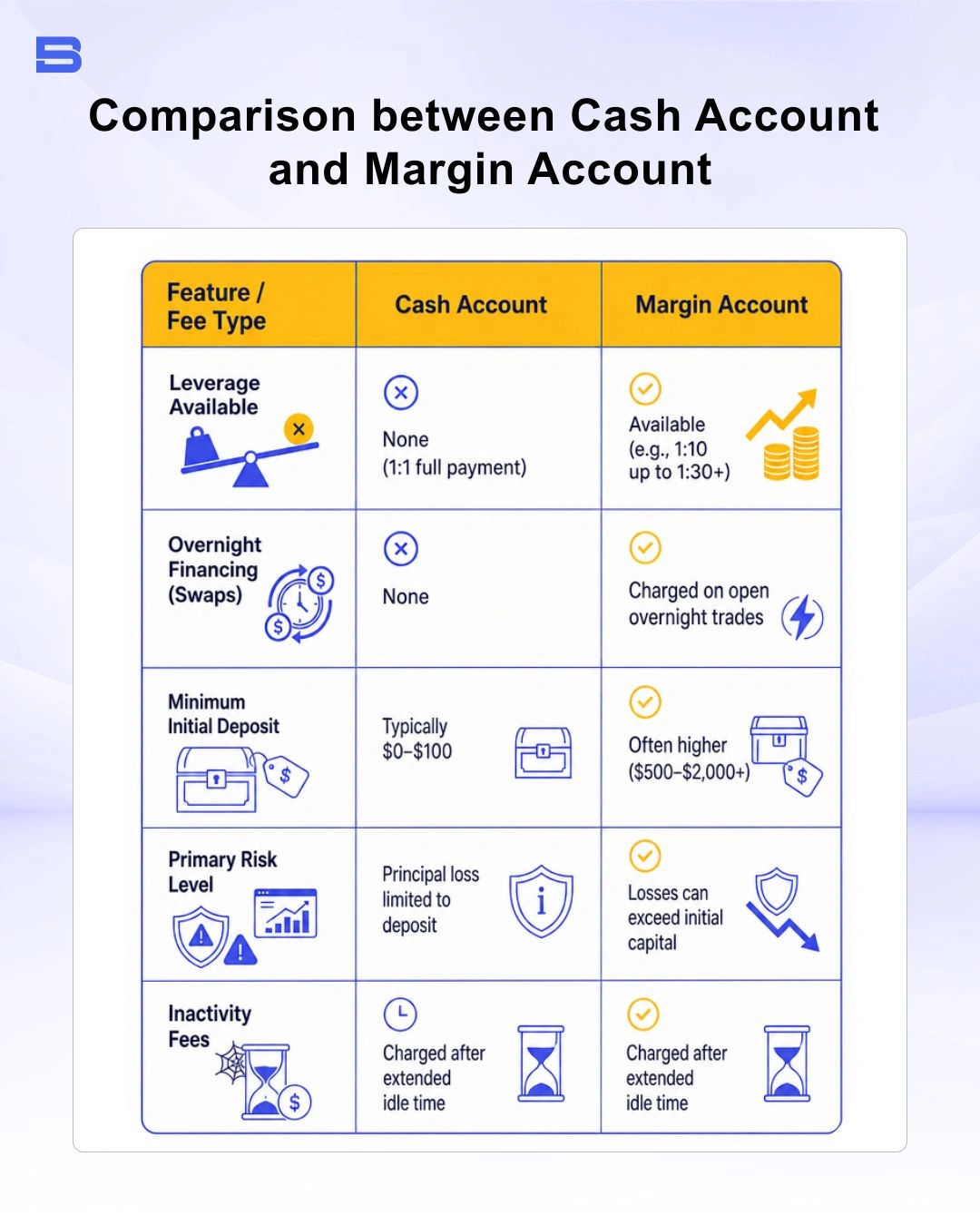
Cash Accounts vs. Margin Accounts
- Cash Accounts: You purchase securities using only the cleared cash sitting in your account. You cannot borrow money from the broker, which eliminates the risk of leverage-induced losses.
- Margin Accounts: Your broker lends you capital to enter larger positions than your cash balance would normally allow. While leverage magnifies upside potential during favorable trends, it multiplies downside losses when prices drop. If your trade moves against you, you may face a margin call requiring an immediate cash injection to keep the position open.
Specialized Account Structures
- Swap-Free / Islamic Accounts: Tailored for traders following Islamic financial principles, an Islamic forex account eliminates overnight rollover fees (swaps) to adhere to Shariah law prohibiting interest (Riba).
- Cent Accounts: Designed for cautious beginners, a cent account forex calculates your balance in cents rather than dollars (e.g., a $10 deposit displays as 1,000 cents), allowing real-market practice with tiny capital.
- ECN / Direct Market Access Accounts: An ECN account connects your orders directly to primary liquidity providers, offering tighter spreads alongside a fixed commission per trade. Experienced traders seeking higher capital tiers may also evaluate a funded trading account model later in their trading journey.
Security Checklist: Verifying Licensing and Regulatory Oversight
Before uploading personal identification documents or transferring funds online, you must verify that the broker holds an active license from a reputable financial regulator. Operating through an unlicensed entity leaves your capital vulnerable with zero statutory protection.
Always double-check broker licensing against official public registries rather than relying on promotional badges displayed on the broker's website.
- Tier 1 Regulators (Strict Jurisdiction): U.S. Securities and Exchange Commission (SEC), Financial Conduct Authority (FCA - UK), Australian Securities and Investments Commission (ASIC), Monetary Authority of Singapore (MAS).
- Tier 1B Regional Regulators: Securities Commission Malaysia (SC), Bank Negara Malaysia (BNM).
Verify that your capital will be held in segregated client bank accounts—ensuring the broker cannot use your funds for its own operational expenses—and check whether the entity participates in a local investor compensation fund.
Step 2: Compare Onboarding Costs and Platform Terms
Trading costs extend beyond simple trade commissions. Friction points during deposit, trading, and account maintenance can erode long-term performance if ignored during account setup.
Watch out for currency conversion fees. If your bank account operates in Ringgit (MYR) or Euros (EUR) and you fund a US Dollar (USD) denominated brokerage account, your broker or processing bank may apply a foreign exchange conversion markup — the exact percentage varies by provider, so check your broker's official fee schedule before transferring funds.
Step 3: Prepare Essential Documents and Complete KYC Verification
International anti-money laundering (AML) and Know Your Customer (KYC) regulations require brokers to confirm your identity before granting access to live market trading. Having valid documents ready accelerates account approval.
Required Verification Documents
- Proof of Identity (POI): A clear color scan or photograph of your valid international passport, national identity card (e.g., MyKad), or driver's license.
- Proof of Address (POA): A recent utility bill (electricity, water, broadband) or bank statement issued within the last 3 to 6 months. The document must clearly show your full legal name and home address matching your application.
- Tax Identification Number (TIN): Your local tax identification number or Social Security Number (SSN) for automatic regulatory reporting.
Step 4: Account Funding and Deposit Requirements
Once your KYC verification is approved, your account status transitions from "Pending Verification" to "Active". You can now transfer initial trading capital.
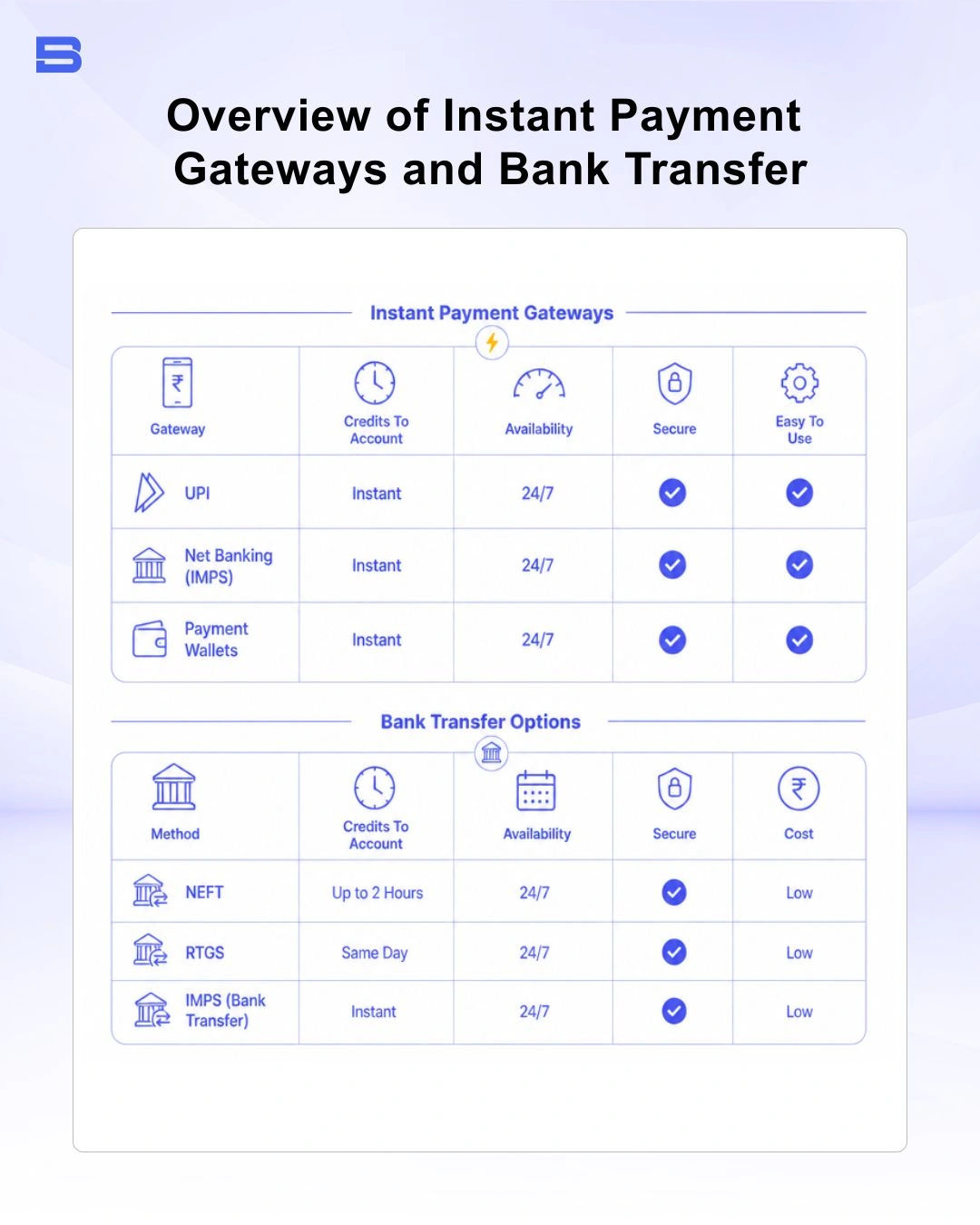
Most modern platforms maintain flexible deposit structures:
- Minimum Deposits: Many retail brokerages feature $0 initial deposit thresholds, while specialized accounts (such as raw-spread ECN tiers) may require $100 to $500.
- Payment Channels: Options include direct bank wires, localized fast payment gateways (FPX, Malaysia's Financial Process Exchange, / instant bank transfers), credit/debit cards, and regulated e-wallets.
- Clearing Times: Local online banking transfers and card deposits usually process instantly or within a few hours. International SWIFT telegraphic transfers take two to five business days to clear into your account balance.
Regional Setup Context: CDS vs. Direct Brokerage Accounts
If you are an investor based in Southeast Asia, particularly Malaysia, you will encounter a distinct two-tier account structure when investing in local equities versus foreign assets.
To trade local stocks listed on Bursa Malaysia, you require a CDS account in Malaysia (Central Depository System) alongside your brokerage account. A Direct CDS account registers the physical shares directly under your legal name, granting full voting rights at annual general meetings.
Alternatively, Nominee CDS accounts and standard international brokerage setups hold shares under a custodian structure. For a comprehensive local guide on account opening procedures, explore our guide on how to open a trading account in Malaysia.
The Bottom Line
Learning how to open a brokerage account is the first step toward taking control of your investment journey. By choosing the right account type, verifying your broker's regulatory status through official databases, preparing accurate KYC documents, and understanding potential currency conversion and other fees, you can build a secure foundation for long-term investing.
Complete the setup carefully, begin with an amount you are comfortable investing, and ensure every investment decision supports your overall financial goals.
Disclaimer: The content on this page is intended for educational and informational purposes only. It does not constitute financial, investment, tax, or legal advice, and should not be interpreted as a recommendation to buy, sell, or hold any financial instrument or asset. Trading and investing involve significant risk, including the possible loss of your entire capital. Products such as forex, CFDs, and cryptocurrencies carry additional risks due to leverage, high volatility, and limited regulatory protection in some jurisdictions. Past performance of any financial instrument does not guarantee future results. Any market views, forecasts, or opinions expressed are those of the author at the time of writing and may not reflect current market conditions. Platform features, fees, and regulatory status are subject to change — always verify information directly with the relevant provider or regulator before making any financial decision. BrokerSpecs may receive compensation from third parties featured on this site. Always conduct your own due diligence and consider seeking advice from a licensed financial professional before investing.